Creating a Home Yoga Space: Practical Ideas for a Peaceful Practice
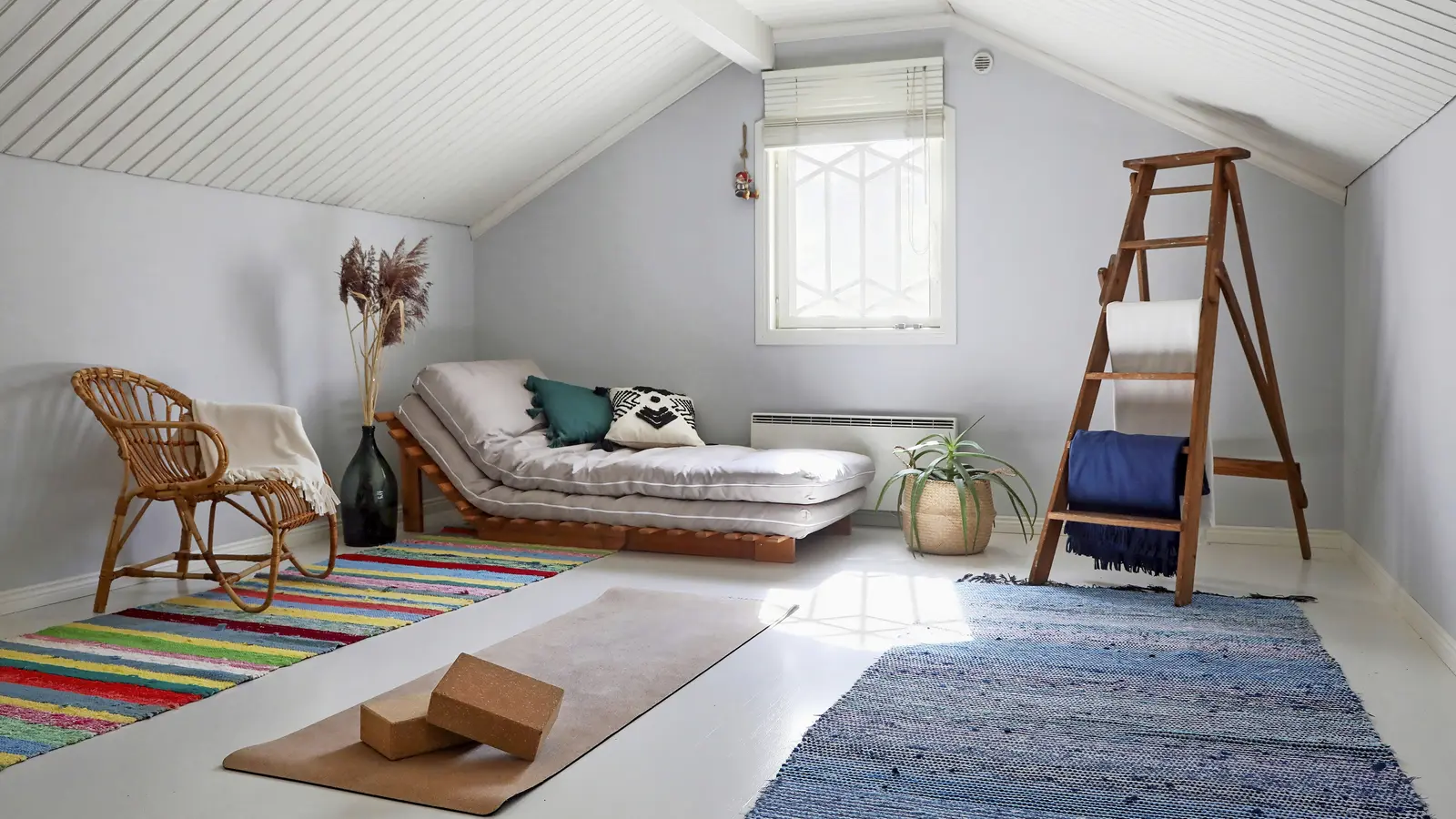
Creating a home yoga space can make it easier to practise regularly without traveling to a studio. A dedicated area does not need to be large or expensive. Even a quiet corner of a bedroom or living room can provide enough room for stretching, breathing exercises, and meditation. The key is to create an environment that feels comfortable, organized, and suitable for your needs. Exploring yoga365.online can also help you decide which essentials to keep nearby as you develop your personal routine.
Choosing the Right Place for Your Home Yoga Space
The best location is somewhere you can move comfortably without worrying about nearby furniture or other obstacles. Before setting up your mat, check that there is enough room to extend your arms, stretch your legs, and change positions safely.
Natural light can make a space feel welcoming, although it is not essential. A corner near a window may provide a pleasant atmosphere, while a quieter area away from household activity can make meditation easier. If privacy is limited, choosing a consistent time when the room is less busy may help create a calmer experience.
Comfort matters more than appearance. Start with an available space rather than waiting until you can create a perfect yoga room.
Keeping Yoga Equipment Simple and Useful
A yoga mat is often the main item needed for a home practice because it provides a more stable, comfortable surface than a slippery floor. Beginners may also find blocks, straps, or a folded blanket useful for modifying poses and supporting comfortable movement.
You do not need to purchase every accessory at once. Begin with the equipment that suits your current practice and add other items only when they serve a clear purpose. Keeping your essentials in a basket or on a small shelf can prevent clutter and make it easier to prepare for each session.
A nearby water bottle and comfortable clothing can also make your routine more convenient. Make sure equipment is stored safely and does not obstruct the area where you move.
Creating a Calm and Welcoming Atmosphere
The atmosphere of a home yoga space can influence how inviting it feels. Soft lighting, neutral decorations, or a small plant may help create a pleasant setting without overwhelming the room. Some people prefer quiet surroundings, while others enjoy gentle background music during certain practices.
Try to limit distractions where possible. Silencing notifications, putting away unrelated items, and keeping the area tidy can help you give more attention to movement and breathing.
For further inspiration, explore mindful habits for daily practice and consider which simple changes could make your space feel more relaxing.
Building a Consistent Home Yoga Routine
A useful space supports a routine that fits naturally into everyday life. Choose a time that works with your schedule, whether it is a short morning session, a gentle stretch after work, or a few minutes of breathing before bed.
The routine does not need to be long to be meaningful. Short sessions can help you become familiar with basic movements and notice how your body feels on different days. Allow enough room to adjust the practice according to your energy, comfort, and experience.
Keeping your mat accessible may reduce the effort needed to get started. Over time, a familiar setting and realistic schedule can help make yoga a more regular part of your daily life.